To Cruise or Not to Cruise: Experiencing Japan’s Cherry Blossom Season
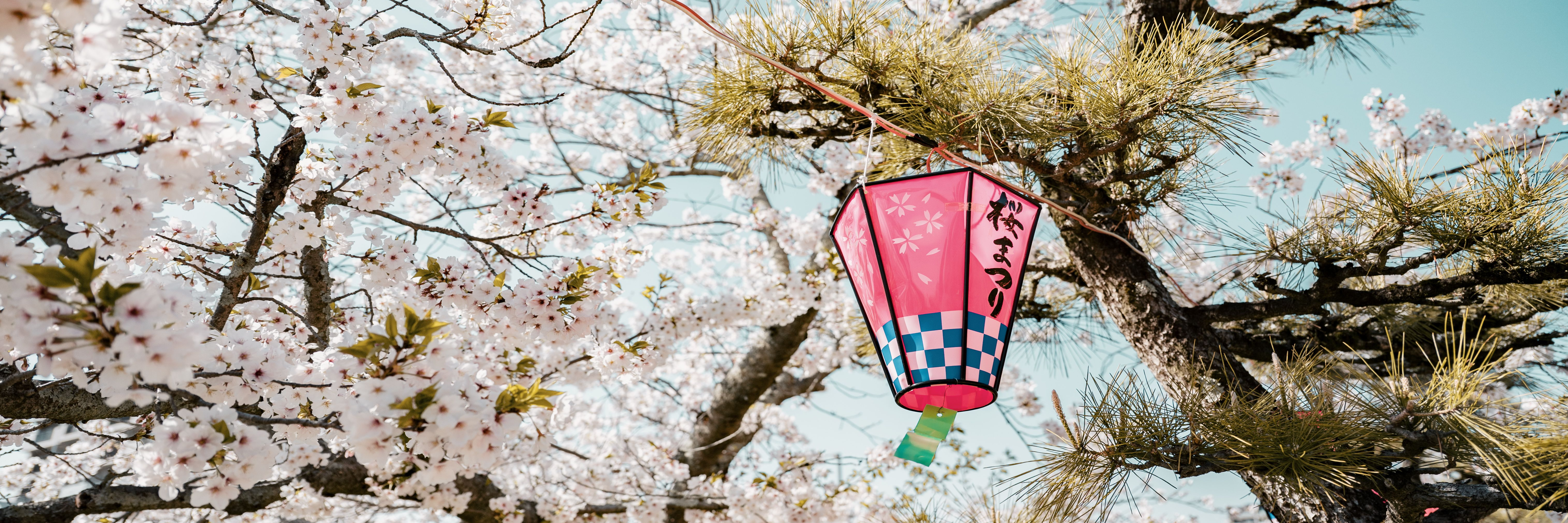
Every spring, usually from late March into April, Japan turns into a dreamscape of soft pink and white. Cherry blossom season is a powerful symbol of beauty and impermanence and for many travellers it is a once in a lifetime journey. It is also the busiest and most expensive time to visit Japan. Hotels sell out months in advance, local guides and drivers close their books early, and prices for both land and cruise options rise with demand. If Japan in blossom is on your wish list, the question is not just how you travel, but how soon you are ready to commit. In this blog, I explore the pros and cons of two brilliant ways to experience cherry blossom season: a land based tour or a Japan cruise.
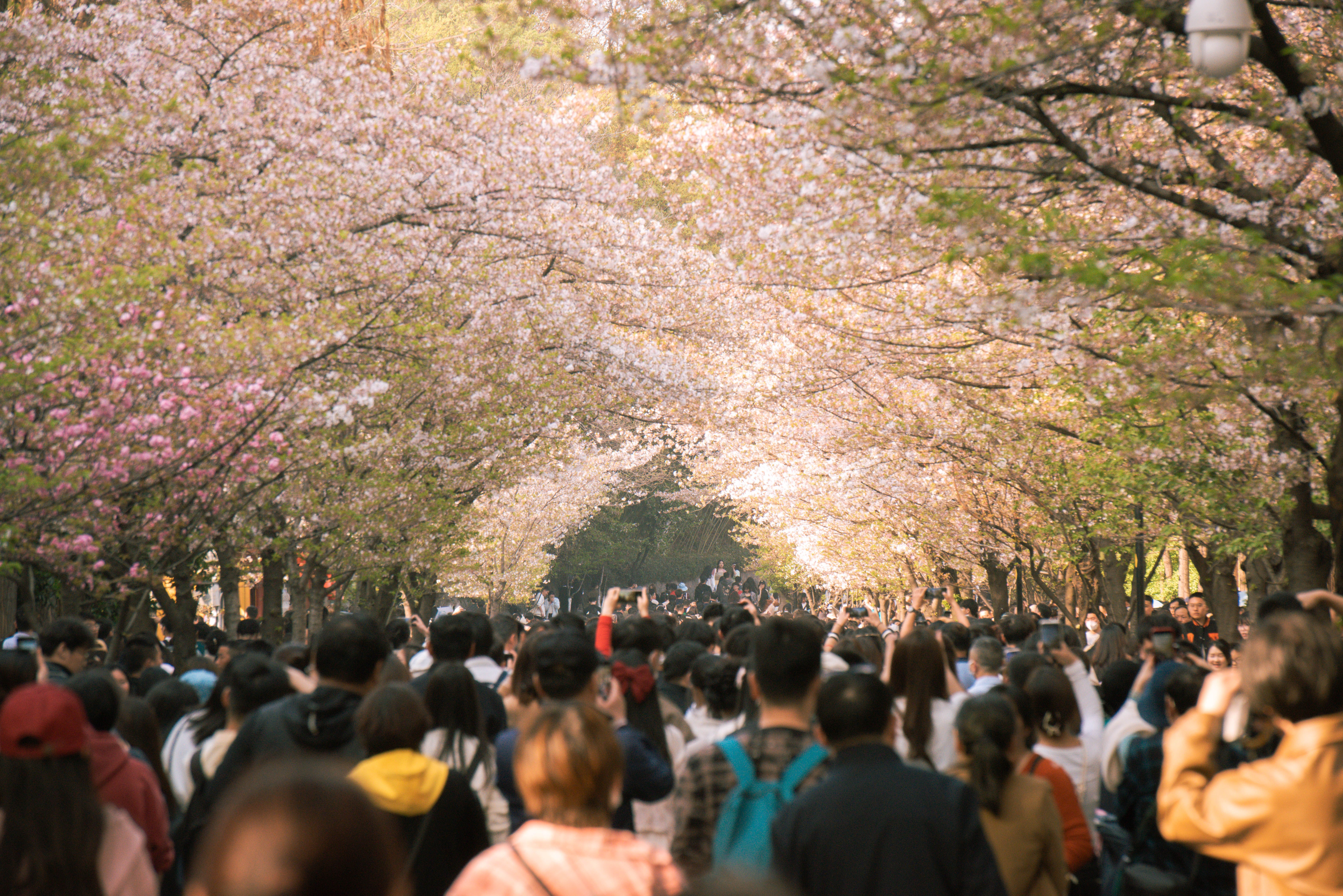
Why cherry blossom season is so busy (and why you should book early)
Cherry blossom season lines up with:
- Japanese school holidays and public events
- A peak in domestic travel, as locals also chase the blossoms
- International demand from photographers, culture lovers and first‑time visitors
The result:
- Accommodation rates are at a premium: Popular areas like Tokyo, Kyoto, Osaka and Hiroshima can see higher nightly rates and strict minimum‑stay rules.
- Limited availability for guides and drivers: The best English‑speaking local guides, private drivers and specialist tour hosts often close their books several months ahead so they do not over‑commit.
- Tours and activities sell out: Tea ceremonies, geisha district walks, sumo experiences and special blossom viewing cruises can be fully booked long before bloom time.
If you wait until you have “perfect” dates or wait for last‑minute deals, you may find that the most desirable options have already gone. For cherry blossom season in particular, it is a time to plan proactively, not reactively.
Option 1: A land‑based tour in Japan
Advantages of a land‑based tour
1. Deep cultural immersion
Staying on land lets you:
- Sleep in traditional ryokan inns with tatami mats and onsen hot springs
- Join early‑morning temple visits before the day‑trippers arrive
- Wander quiet residential streets lined with blossom trees rather than sticking to the main tourist paths
You will feel closer to everyday Japanese life: from popping into local bakeries for melon‑pan to exploring tiny izakaya and neighbourhood markets.
2. Flexible, tailored itinerary
A land itinerary can be crafted around:
- Your interests: food, art, samurai history, gardens, anime or architecture
- Your pace: from packed sightseeing days to slow travel with time for onsen and cafés
- Your cherry blossom “chase”: moving from south to north or lowland to higher elevation to maximise your chance of seeing blossoms at their best
With a private or small‑group tour, your guide can also adjust the schedule based on updated blossom forecasts or local conditions, which is invaluable in such a short‑lived season.
3. More time in key locations
With a land‑based tour, you can:
- Spend several nights in Kyoto to enjoy multiple districts and viewpoints
- Take day trips from Tokyo to Nikko, Kamakura or Hakone for contrasting scenery
- Linger in one region to explore lesser‑known temples, gardens and local neighbourhoods
You are not restricted by port times or ship schedules, so evenings, early mornings and off‑peak moments are yours to enjoy.
4. Greater choice of style and budget
You can mix:
- Boutique city hotels and luxury high‑rise properties
- Authentic ryokan stays with kaiseki dining
- Apartments or modern business hotels in less touristy areas to manage costs
This mix‑and‑match approach can stretch your budget further or allow you to splurge on a few unforgettable nights.
Disadvantages of a land‑based tour
1. Higher complexity and planning time
Crafting the right route, booking multiple hotels, understanding the rail network and timing everything with blossom season requires:
- Considerable research
- Advance reservations for trains, guides and experiences
- Careful pacing to avoid “temple fatigue” and burnout
Working with a specialist travel professional makes this much easier, but it is still more complex than stepping aboard a cruise.
2. Peak‑season pricing and minimum stays
At cherry blossom time:
- Popular hotels can require longer minimum stays
- Premium ryokan can require half‑board dining and charge accordingly
- Certain dates may be “blackout” or peak‑price windows
Leaving it late often means paying more for less choice, especially for centrally located or character properties.
3. Heavy reliance on availability of local guides
The very best local guides and driver‑guides:
- Tend to close their diaries once they reach a safe capacity
- Prioritise repeat clients and early bookers
- May not be able to add “just one more tour” at short notice
If you wait, you might still get a guide, but perhaps not the one best suited to your interests or preferred dates.
Option
2: Experiencing cherry blossom season on a cruise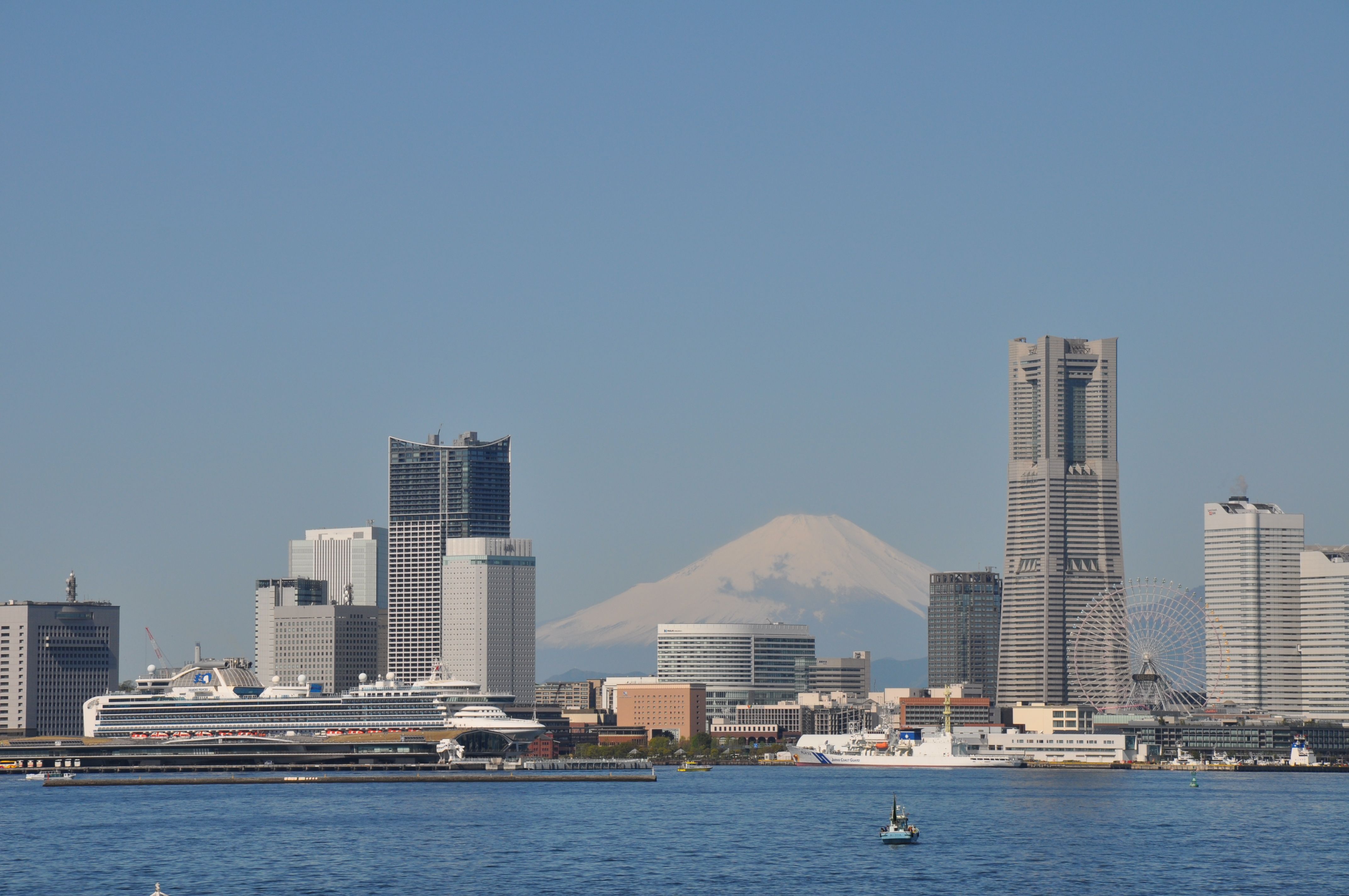
Advantages of a Japan cruise
1. Unpack once, see multiple regions
A cruise lets you:
- Visit several ports and regions in a single trip
- Enjoy different cherry blossom timings and micro‑climates
- Return to the comfort of your ship each night without changing hotels
It is an elegant way to cover distance, especially if you prefer not to wrestle with luggage on and off trains.
2. Predictable budgeting and inclusions
Cruises often include:
- Accommodation
- Many meals (sometimes all)
- Entertainment and some onboard activities
This gives you a relatively clear view of your overall spend in advance, which can be reassuring in a peak season when land costs are elevated.
3. Gentle pace with built‑in comforts
On sea days you can:
- Relax in the spa or pool
- Enjoy onboard lectures about Japanese culture
- Dine without needing restaurant reservations on land
For some travellers, this blend of intense port days and restful sea days is exactly the right rhythm.
4. Access to further‑flung ports
Depending on the itinerary, a cruise might:
- Call at ports that are less straightforward to link together by land
- Combine Japan with South Korea or other nearby countries
- Offer scenic coastal sailing that gives a very different perspective from land touring
This can be ideal for those who like to tick off multiple countries or coastal viewpoints in one journey.
Disadvantages of a Japan cruise
1. Limited time ashore
In most ports you will have:
- Fixed arrival and departure times
- A set number of hours to explore, join excursions and see the blossoms
If crowds are heavy or transport is slow, you may feel time‑pressured and unable to linger where you would like.
2. Less flexibility around blossom timing
Cherry blossoms can arrive earlier or later than average. Cruise itineraries are set far in advance, so:
- You cannot shift your dates to “chase” the blossoms
- You might see some ports at their absolute peak, and others just before or after
A land‑based itinerary can be adjusted more easily, whereas a cruise follows a fixed schedule.
3. Shore excursions can fill quickly
Popular cherry‑blossom‑focused excursions:
- Often sell out to early bookers on the ship
- May have limited capacity for specialist or small‑group experiences
- Depend on local guides and transport providers who are also in peak demand
If you book your cruise late, you may still get a cabin, but the most immersive land excursions could already be full.
4. Less immersion in local nightlife and neighbourhoods
Because you usually need to be back on board in the evening:
- You might miss out on late‑night izakaya hopping
- It is harder to enjoy unhurried evenings in Kyoto’s geisha districts or Tokyo’s smaller neighbourhoods
- Your interaction with locals can feel more structured and less spontaneous
So which is better for cherry blossom season: land tour or cruise?
There is no one‑size‑fits‑all answer:
- Choose a land‑based tour if you value depth, flexibility, cultural immersion and the freedom to linger in places that speak to you.
- Choose a cruise if you prefer a more effortless style, like the idea of unpacking once, and want to sample multiple regions with clear, predictable budgeting.
Some travellers even combine both: a Japan cruise followed by a few nights on land in Tokyo or Kyoto, or vice versa, to enjoy the best of both styles.
What is consistent for both options in cherry blossom season is the need to plan early.
Why you should not wait to book
Because cherry blossom season sits at the very peak of Japan’s tourism calendar:
- Accommodation rates rise as availability shrinks: The widest choice and best value are usually available many months ahead.
- Local suppliers set capacity limits: Responsible local operators deliberately cap the number of tours and transfers they accept so they can deliver high‑quality service. Once they hit their limit, they simply close bookings.
- Guides and drivers prioritise early confirmations: The best guides are often fully committed well before travel dates, especially in English, German or other non‑Japanese languages.
- Cruise cabins and excursions sell out: Prime cabin categories and the most desirable blossom‑themed shore excursions are snapped up by those who commit first.
Waiting in the hope of a “last‑minute bargain” can backfire at this time of year. Instead of saving money, you may find:
- Only less central or less characterful hotels remain
- The top guides and most interesting experiences are unavailable
- Cruise cabins are left only in less convenient locations or categories
If cherry blossom season in Japan is on your wish list, treating it as a special‑event trip rather than an impulse getaway is the key to getting it right.
How I can help you choose
Deciding whether to cruise or tour Japan by land is as personal as your travel style. I work with you to:
- Understand how you like to travel, your pace and your priorities
- Compare handpicked land itineraries with the most suitable cruise options for your dates and budget
- Secure accommodation, guides and experiences before the peak‑season rush closes the doors
- Build in those extra touches that turn a beautiful trip into a truly unforgettable one
If Japan’s cherry blossoms are calling you, this is very much a case of “plan now, travel later”. The earlier we start, the more doors open: from the finest ryokan and boutique hotels to the best guides, shore excursions and cabins.
Contact me to start shaping your cherry blossom journey and together we will decide: to cruise, or not to cruise?